

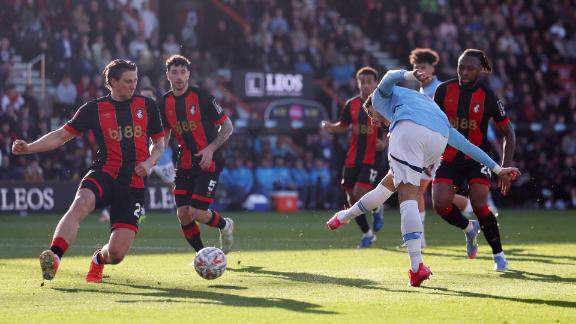
Sunday league football does something to people. A disputed offside call or a last-minute winner does not stay on the pitch. It follows everyone to the pub, where the real argument starts.
These exchanges rarely stay local. They drift toward Premier League fixtures, Champions League drama, upcoming internationals. What starts as banter about a mate’s missed penalty shifts into something more serious. Form. Tactics. Outcomes. The conversation has a life of its own.
Someone mentions a top-four finish. Another weighs in on whether a struggling side can turn things around. Before long, the table is dissecting not just what happened, but what comes next. Play the game and you earn the right to talk about it properly.
Why Five-a-Side Players Dominate Pub Debates
Five-a-side is not a casual activity for most people who play it. Leagues fill up fast. Teams show up week after week to the same pitch, with the same arguments about who was offside and whose fault the second goal was. That repetition builds something. Players who compete regularly develop sharp opinions on formations, positioning, and match tempo. Not from watching. From feeling it under pressure, on a small pitch, where every decision is immediate.
The analytical habits formed on the pitch transfer upward without much effort. Players already track their own team’s form, goal differences, head-to-head records across a season. Moving that same attention toward top-flight data is a natural step. Studying fixture lists, squad news, and head-to-head form often leads grassroots players toward football betting sites where markets cover everything from Premier League results to weekend accumulators. That connection between amateur analysis and professional engagement is shorter than most people expect.
How Sunday League Habits Shape Football Analysis
Amateur players pay close attention to statistics. Not because anyone asks them to, but because winning matters and numbers explain why results go one way or another. That habit does not disappear outside the season. Expected goals, possession percentages, defensive records. All of it gets processed with the same focus applied to a five-a-side league table. The analytical muscle is already built.
Most grassroots players keep betting at arm’s length. Football is the main event. The warm-up arguments, the post-match debrief in the changing room, the group chat that never fully stops. Odds are one more layer on top of a conversation that already exists. They do not reframe it. Football stays first.
That distinction matters. Football first. Everything else is commentary.
Pub Culture and Betting Conversations
Football and pub culture share a long history in the UK. Neither really makes sense without the other. After a result, people go somewhere to process it. That somewhere is usually a pub. The debate starts almost immediately, covering referee calls, VAR decisions, tactical choices that backfired in the second half. Energy runs high. Opinions are rarely diplomatic. You see that dynamic echoed in broader shifts around UK entertainment habits changing. The setting evolves. The instinct to break the match down in a room full of voices doesn’t.
The mix of knowledge in the room is part of what makes it work. A supporter who has followed their club for thirty years brings a different frame than someone who started watching two seasons ago. Neither is automatically right. A historic example about squad building sits next to a current expected goals stat and somehow both make sense in the same argument. That collision of perspectives is the point.
Five-a-side players often drive the tactical end of these conversations. They have a working reference point that goes beyond watching. A poorly organised defensive line is not just something they have seen. It is something they have lived, usually while conceding a goal they should have prevented. That practical knowledge adds weight when the debate turns analytical.
Betting comes up occasionally in these settings. Usually as a casual remark rather than a central topic. Someone mentions an accumulator. A result gets discussed briefly in terms of odds. Then the conversation moves back to the match itself. The cultural centre of gravity stays on football.
Grassroots Football and Responsible Engagement
Regulatory changes in 2025 tightened the framework around UK sports betting significantly. Affordability checks became stricter. Stake limits were revised. Consumer protection moved from a secondary concern to the explicit centre of licensing requirements. That shift sits alongside broader updates around gambling commission fees and regulatory changes in the UK. Operators had to adapt.
Five-a-side players and grassroots fans operate in a different register. Participation is the point. Leagues on 5aside.com exist to facilitate exactly that. Social connection, skill development, competitive football across hundreds of local competitions. That infrastructure is what makes the wider football conversation meaningful. Without the grassroots layer, the analysis becomes abstract. The passion loses its source.
When fans engage with betting, the platform they choose matters. UKGC licensing, transparent terms, and accessible responsible gambling tools are the baseline. Football betting is one of the largest categories in the UK online market, which makes those basics more important rather than less. A fan who approaches markets the same way they approach match analysis, carefully, with attention to information and realistic expectations, is better positioned than one who reacts to a result in the moment.
Football conversation in the UK still starts on the pitch, not online. What happens in five-a-side leagues and Sunday matches shapes how people read the professional game, how they argue about it, and how they engage with everything around it. Betting may sit alongside that conversation, but it does not lead it. Play the game, and the rest makes more sense.
