

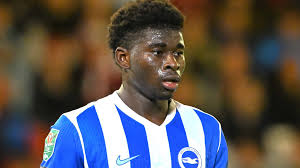
Brighton and Hove Albion have issued what multiple outlets are calling a brutal reality check to Manchester United over their summer pursuit of midfielder Carlos Baleba, with sources inside the south coast club confirming they will not sell the 22-year-old Cameroonian for anything close to the £50 million that United’s recruitment team had been hoping represented the market price following a difficult individual season.
The Athletic’s United correspondent Laurie Whitwell had reported that United’s internal valuation of Baleba had dropped significantly given his form, with the club reluctant to offer more than approximately €58 million for a player who has struggled for consistency throughout this campaign after the saga of last summer’s failed transfer reportedly unsettled him within the Brighton dressing room.
Brighton’s response to that framing was immediate and unambiguous, with TEAMtalk reporting that sources at the club have made clear that while they acknowledge internally that the previous £100 million valuation is no longer achievable, any realistic deal still needs to exceed £70 million, firmly dismissing the reports suggesting Baleba could be purchased at a bargain fee relative to his quality.
The central irony of this situation is that Brighton’s leverage arguably comes from the same source as United’s perceived discount opportunity: Baleba’s difficult season, which Brighton supporters and the club’s management know was at least partly caused by the disruption of the United pursuit itself, has depressed his market standing without actually diminishing what the club regard as his long-term ceiling as one of the Premier League’s most physically imposing and technically capable young defensive midfielders.
Fabrizio Romano has provided the most important piece of intelligence holding United’s interest together: the verbal agreement on personal terms that Baleba reached with the club last summer remains valid for 2026, with Romano writing that “what I can confirm is that the verbal agreement between Baleba and Manchester United from 2025 remains valid for 2026. The player is still very keen on a move to Manchester United.”
That personal commitment from the player gives United what every buying club wants: a guaranteed first choice among the candidate’s destinations, which removes the risk of completing a club-to-club deal only to find the player prefers an alternative, and gives United a structural advantage over rivals including Chelsea, who are separately understood to be circling the Baleba situation, and Manchester City, who have him on their summer shortlist.
Brighton owner Tony Bloom’s reputation as a forensically tough negotiator is well-established across multiple windows of selling elite young talent above their immediate market rates, and his approach here is entirely consistent with that history: the club will not meet United in the middle on a valuation simply because the buyer wants a deal, and they are confident enough in their asset’s intrinsic quality to absorb the short-term noise around his form.
United’s position entering the summer is one of genuine financial capacity but limited negotiating leverage on the fee, with INEOS needing to spend significantly across multiple positions including striker, midfielder, and potentially a wide player, meaning a £70 million or above commitment for Baleba alone would consume a substantial proportion of a transfer budget that has competing demands from every direction in the squad.
The outcome that several United journalists have outlined as most plausible is a scenario in which United secure their primary midfield target, whether that is Elliot Anderson for £90 million or a European alternative, and then use whatever budget remains to negotiate Baleba down to the lowest fee Brighton will accept, rather than making Baleba the centrepiece of their spending at a price that Brighton’s current valuation implies.
Brighton’s contract position, with Baleba tied down until 2028, gives the Seagulls genuine patience on their side of the table and makes the kind of distress sale that would have delivered Baleba at United’s preferred price entirely impossible regardless of how long the negotiation runs.
